
Subfloor Damage
Aug 26, 2024
Subfloor may not be in your mind often, since it is under your visible wood floor. When something seems off about your wood floors, though, it might not be the floor itself, but the subfloor. This isn’t very common, but if it does happen it can be a huge problem. The subfloor supports both the wood floor above it, but also everything in the room (including yourself). If there is an issue with your subfloor, it’s important to have the problem addressed ASAP.
What is a subfloor?
The subfloor is a support system for the floor and weight of the room itself. It has important things like electrical wiring and plumping components, which is critical to the function of a home. It is made of layers of plywood and particleboard, but can also contain foam or other insulators. Like any woof, plywood and particleboard can be damaged by moisture exposure, which could lead to structural problems and rotting.
Signs of Damage
Spongy or springy feeling when you walk on the floor
Does your floor seem to spring up when you walk on it?
Squeaking when you walk across the floor
If the noise has never been a problem before, it could mean there is plywood subfloor damage, and the need to be replaced.
Sagging or drooping of the floor
A sagging or drooping of the floor, but the floor looks normal. It may be best to see if the subfloor is rotting or has moisture damage.
The Importance of Subfloor Repair
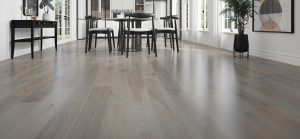
A solid subfloor is the foundation upon which your hardwood flooring rests. Neglecting subfloor damage can lead to a variety of problems that can affect both the appearance and durability of your hardwood floors.
The Impact of Subfloor Damage
- Uneven Surfaces: Damaged subfloors can create uneven surfaces, which can cause hardwood planks to warp, cup, or buckle. This can lead to unsightly floors and even safety hazards.
- Squeaky Floors: Subfloor damage can cause the floorboards to squeak or creak, which can be both annoying and embarrassing.
- Premature Wear and Tear: A damaged subfloor can put additional stress on your hardwood floors, leading to premature wear and tear.
- Water Damage: If water penetrates a damaged subfloor, it can cause rot and mold, which can damage both the subfloor and the hardwood flooring.
The Benefits of Subfloor Repair
- Improved Floor Appearance: Repairing subfloor damage can help to improve the appearance of your hardwood floors by eliminating uneven surfaces and preventing warping, cupping, and buckling.
- Increased Durability: A solid subfloor can help to increase the durability of your hardwood floors by reducing stress and preventing premature wear and tear.
- Enhanced Comfort: A repaired subfloor can make your floors feel more comfortable underfoot.
- Increased Home Value: A well-maintained hardwood floor with a solid subfloor can increase the value of your home.
When to Repair Your Subfloor
It’s important to address subfloor damage as soon as you notice it. As mentioned above, the signs of subfloor damage include:
- Uneven surfaces
- Squeaky floors
- Sagging floorboards
- Soft spots on the floor
If you notice any of these signs, it’s time to have your subfloor inspected by a professional.
By investing in subfloor repair, you can help to protect your hardwood flooring and ensure that your home’s floors are both beautiful and durable.
Do you have any lingering questions about subfloor damage? Signature Hardwood Floors would be happy to discuss more flooring trends that could be perfect for your home. Contact our flooring experts for any questions, and a FREE ESTIMATE. You can call us at 410.415.0755 or click here today!
