
Why Homeowners Are Still Choosing Hardwood Floors into 2027
Oct 19, 2026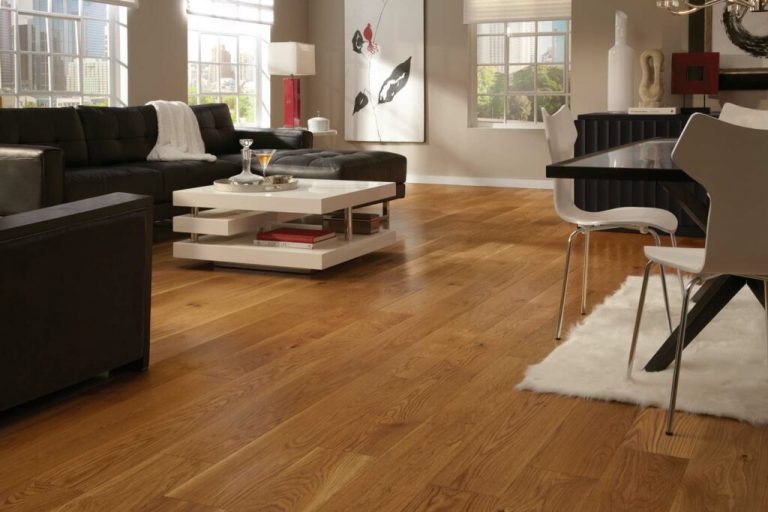
Most flooring decisions start the same way. You have a stack of samples on the kitchen island, and the luxury vinyl plank starts to look convincing from across the room. The price difference makes a strong case. Then someone picks up a real oak board, feels the weight and the grain, and the conversation immediately changes.
That moment plays out in homes all over the Baltimore area, and it’s why so many homeowners still choose hardwood floors even as other categories grow. If you’re planning a renovation or getting a house ready to sell, here’s what’s drawing people to real wood right now and how those preferences can shape your project.
Why Choose Hardwood Floors Over the Alternatives
Luxury vinyl plank has definitely earned a place in the flooring conversation. It handles water well, installs quickly, and costs less up front, which makes it a smart pick for basements and some laundry rooms. We install it for exactly those reasons.
However, hardwood wins on a different set of measures. The grain is grown, so no two boards repeat the way a printed pattern eventually does.
The bigger advantage is lifespan. A solid hardwood floor can be sanded and refinished several times. A floor that looks tired after 15 years of kids, pets, and furniture moves can come back like new, and it can change color in the process. Vinyl wears through its top layer once, and then it needs to be replaced. For homeowners who plan to stay put, that difference carries a lot of weight. Plus hardwood adds value to any home, while vinyl will not.
White Oak and Wide Planks Lead Today’s Hardwood Flooring Trends
Why White Oak Took Over
White oak flooring has become the go-to species in current design work because it’s so flexible. The grain is visible without being busy, and the neutral undertone takes warm and cool stains equally well. A white oak floor finished in a natural tone today can go warmer or darker at the next refinish without fighting the wood.
Many older homes around Baltimore and Towson have red oak, which carries more pink in the grain. It can still look current. A natural finish or a warm honey stain suits red oak well, and testing samples on your actual floor shows how the boards take color before you commit.
Wider Boards, Fewer Seams
Narrow 2¼-inch strip flooring was the standard in homes for decades. Today, most homeowners ask for wide plank hardwood floors in the 5- to 10-inch range. Fewer seams make open floor plans feel calmer and give larger rooms a more continuous look.
Width does come with a trade-off in Maryland. Our humid summers and dry, heated winters make wood expand and contract, and a wide board moves more than a narrow one. Proper acclimation, a flat and dry subfloor, and the right installation method all matter more as planks get wider. For very wide planks or rooms over concrete, engineered hardwood is often the more stable choice.
Softer Sheens and Warmer Colors
Matte Finishes Hide More
High-gloss floors had a long run, but most homeowners now ask for matte or satin. Part of the appeal is the look, since a low sheen lets the grain read as wood rather than a reflective surface.
Matte finish hardwood floors also hide fine scratches, dust, and pet traffic far better than gloss, which shows every mark when sunlight comes in low through a window. A quality matte finish protects the wood the same way a glossy one does; the difference is in how much light it reflects. If your floors have an older glossy finish, we can switch them to matte during a refinish.
Gray Is Out, Warm Neutrals Are In
After nearly a decade of gray washes, homeowners have moved toward warmer neutrals like honey, wheat, soft brown, and natural oak. These tones feel more comfortable and pair easily with wood furniture, stone, and houseplants.
Gray-stained floors from that era don’t have to stay gray. Getting back to a warm tone typically means a full sand to remove the old stain, since gray pigment can settle deep into open-grain species like oak.
For specific color ideas, see our guide to stain color.
What Hardwood Means for Resale Value
Hardwood still shows up as a selling point in listings, and buyers notice when it’s there. Much of the resale value of hardwood floors comes from buyers’ confidence that the floors will last and that they can refinish them to suit their own taste.
If you’re getting ready to sell, you may already have the asset. Plenty of homes have hardwood hidden under carpet or worn down by years of use. Refinishing existing floors before listing costs far less than installing new flooring, and it changes how a room looks in listing photos. A fresh matte finish in a warm natural tone matches what today’s buyers want to see, so the house reads as updated without a full renovation.
Deciding Between Refinishing and Replacing
Many of these trends are within reach even without new flooring. A refinish can handle:
- Changing the sheen from gloss to matte or satin
- Moving from a gray or dark stain to a warm or natural tone
- Removing years of scratches, dull spots, and surface wear
Other changes, however, would call for new flooring:
- Going wider than your current boards
- Switching species, such as red oak to white oak
- Adding a herringbone or chevron pattern
If your floors are solid hardwood with enough material left above the tongue, refinishing is usually the faster, less expensive route. Engineered floors with a thin top layer may handle one light sanding or none at all. We can usually tell which path makes sense after seeing your floors in person.
Planning Your Hardwood Project
Signature Hardwood Floors has handled hardwood flooring projects across Baltimore and Central Maryland since 2004. We’re an NWFA member, licensed and insured, and we can help you figure out whether your floors need a refinish, a new installation, or some of both.
Get Beautiful Wood Floors from Signature Hardwood Floors!
Here at Signature Hardwood Floors, we’re passionate about creating amazing living spaces for our customers. Trust our team of experienced professionals to help guide you through the process and to assist you in making the right flooring decision for your home.
To learn more, call us at (410) 415-0755, or you can use this link to get more info and schedule a free in-home consultation.
