
Why Should I Get Hardwood Floors?
Dec 02, 2024
Environmental Benefits
Wood floors are a renewable flooring option since trees can be replanted. In the United States, for every tree that is harvested, 1.66 is planted. This is why the standing volume is much bigger today than a few decades ago. Wood floors can also last for many generations, and require fewer raw materials than other flooring options.
Health Benefits
Wood floors improve the quality of air in a home. They do not harbor any allergens or harmful pesticides that can be tracked in from outside. Mold and dust is minimal, which makes it a healthy flooring choice.
Durability
Wood floors can power through the busy lifestyles of today’s modern families, and keep its beauty. The Janka Scale, which measures hardness of wood species, gives you an indication of how wood floors are expected to perform.
Competitive
Looking to sell your home in the future? Homes with wood floors sell much faster and for much more money than homes without it. They also can maintain a long-term value that can last hundreds of years.
How to Plan for Replacing Carpeting with Professional Hardwood Flooring
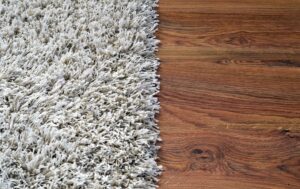
Replacing carpet with hardwood flooring is a great way to enhance your home’s durability and aesthetic appeal. Here’s a step-by-step guide to ensure a smooth process.
Assess Your Needs and Preferences
Determine the type of hardwood flooring that suits your style and lifestyle. Consider factors such as wood species, color, and finish. Assess the amount of foot traffic in the area to select a durable option.
Set a Budget
Establish a budget for the project. Include costs for materials, professional installation, and any additional services like baseboard adjustments or furniture moving.
Choose a Professional Installer
Research local flooring specialists and read reviews to find a reliable installer. Verify their experience with hardwood flooring projects and request a detailed quote.
Prepare the Area
Remove all furniture and décor from the room. Take care to clear the space thoroughly to avoid delays during installation. Discuss with the installer whether they will handle removing the old carpet or if you should do it in advance.
Inspect the Subfloor
Ask the installer to inspect the subfloor for any necessary repairs. A stable, level subfloor is critical for a successful hardwood installation.
Plan for Disposal
Coordinate with the installer to dispose of the old carpeting. If they do not offer this service, arrange for proper disposal or recycling through a local facility.
Schedule Installation
Work with the professional to set a convenient date for installation. Make sure all materials are ready and the space is prepared ahead of time.
Maintain Clear Communication
Stay in contact with the installer throughout the process. Confirm timelines and address any concerns promptly to ensure the project stays on track.
Now that you know the benefits of hardwood flooring, Signature Hardwood Floors would be happy to help bring it to your home. Contact our flooring experts for any questions, and a FREE ESTIMATE. You can call us at 410.415.0755 or click here today!
